Traditional · Colonial
The Colonial Wood Stair Style
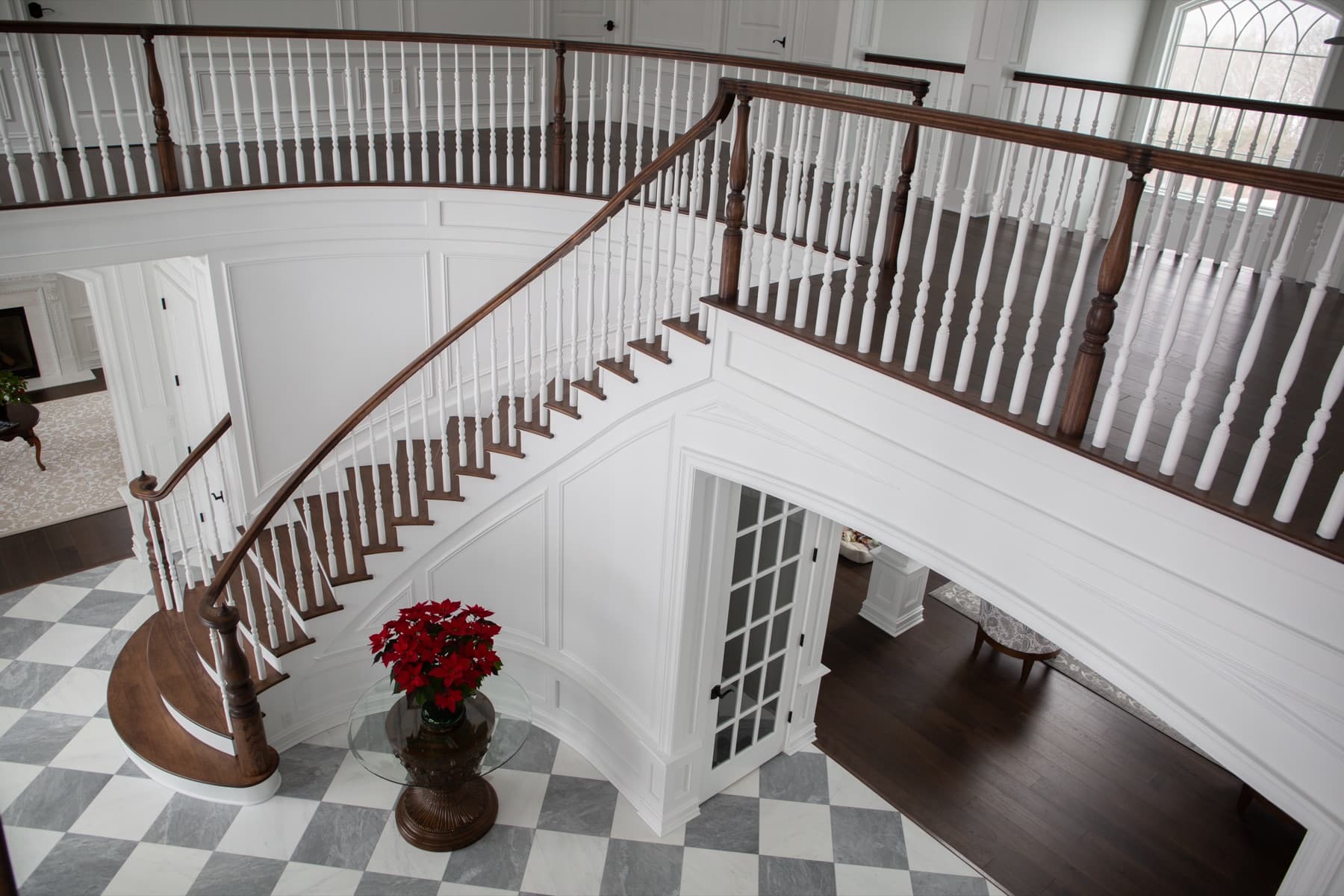
Colonial is the strict-proportion version of the colonial-revival vocabulary — urn-and-square turning, fluted newel faces, three-piece cap. The most-requested style across center-hall colonials in the Lehigh Valley's historic-district streets. Designed for homes where the stair is part of a formal vocabulary throughout — crown molding, chair rail, raised-panel doors.
Send us a few photos of your staircase and we'll give you a realistic budget range over the phone, before anyone comes out.

- Est. 198739 yrs
- Family-Owned
- Veteran-Owned
- 4.8★ Verified
- Lehigh Valley
Definition
What is a Colonial wood stair?
A Colonial wood stair is a strict colonial-revival staircase built to formal proportions — urn-and-square baluster turning, fluted newel faces, and a three-piece cove-bead-finial cap. It is designed for center-hall colonials where the stair reads as part of a formal trim package of crown molding, chair rail, and raised-panel doors.
Built & reviewed by Snyder Stairs · Whitehall, PA · Est. 1987 · Updated June 2026
Visual character
What makes the Colonial profile distinct.
- Urn-and-square baluster turning (classic colonial-revival profile)
- Fluted newel column with raised-panel face
- Three-piece cap: cove + bead + finial
- Pairs visibly with raised-panel doors and chair-rail in the foyer
When it works
Best fit for the Colonial style.
- Center-hall colonials across the Lehigh Valley's historic districts
- Homes with formal crown + chair-rail throughout the first floor
- Designer-led restorations of 1920s–1940s colonial-revival builds
- Buyers who want the stair to look like it was always there
Pairings that work
Configurations + iron patterns that pair with Colonial.
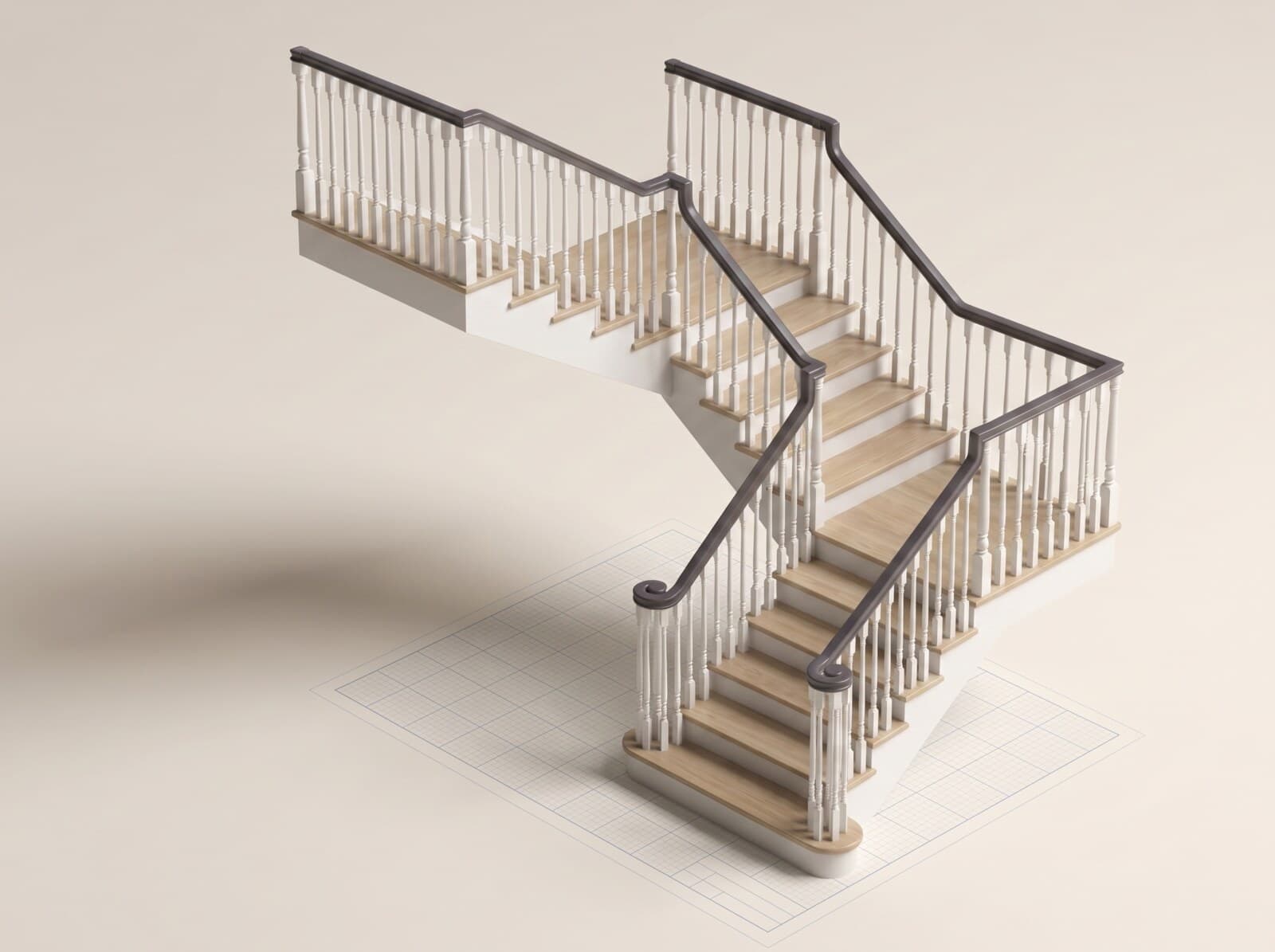
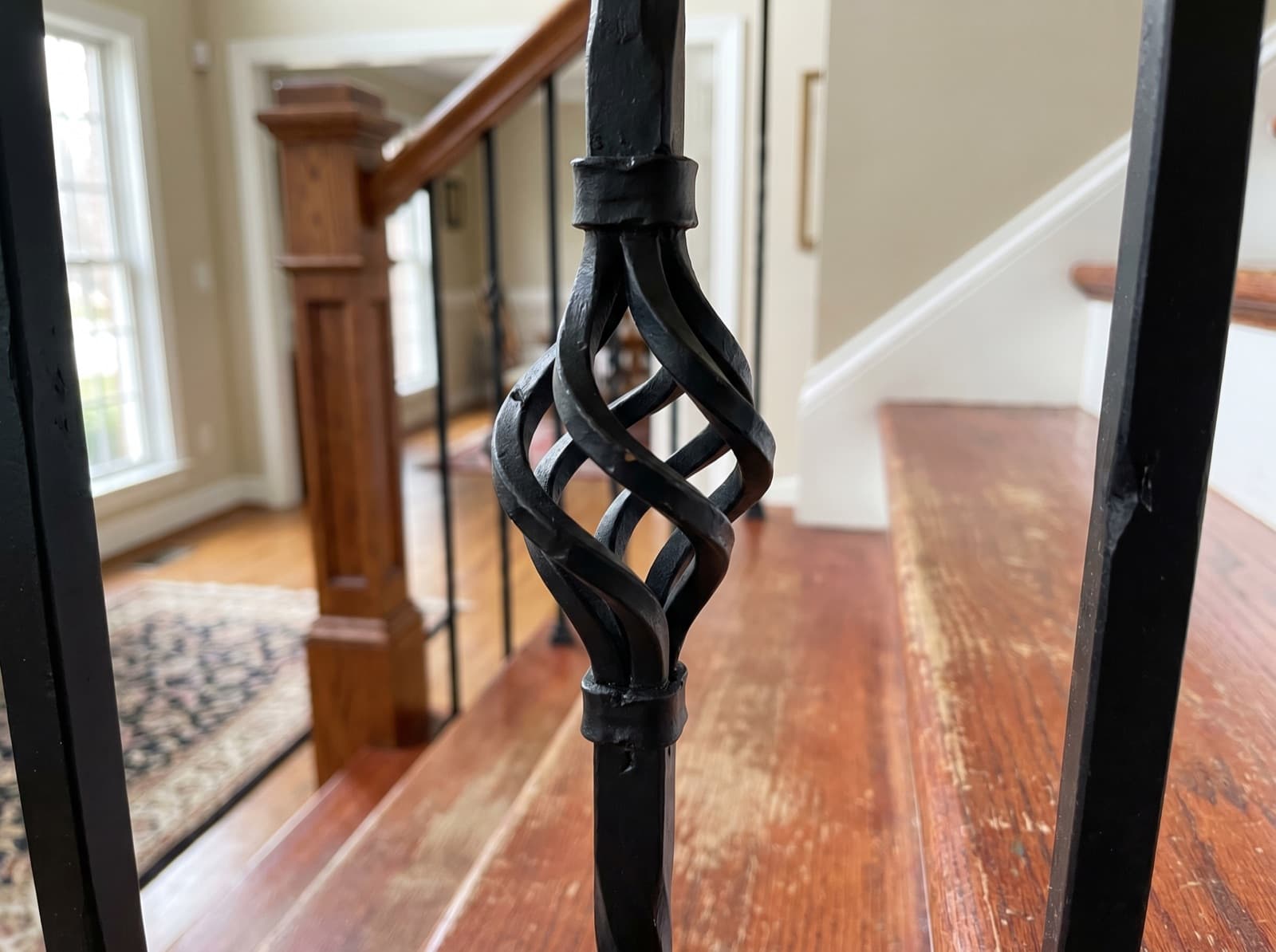
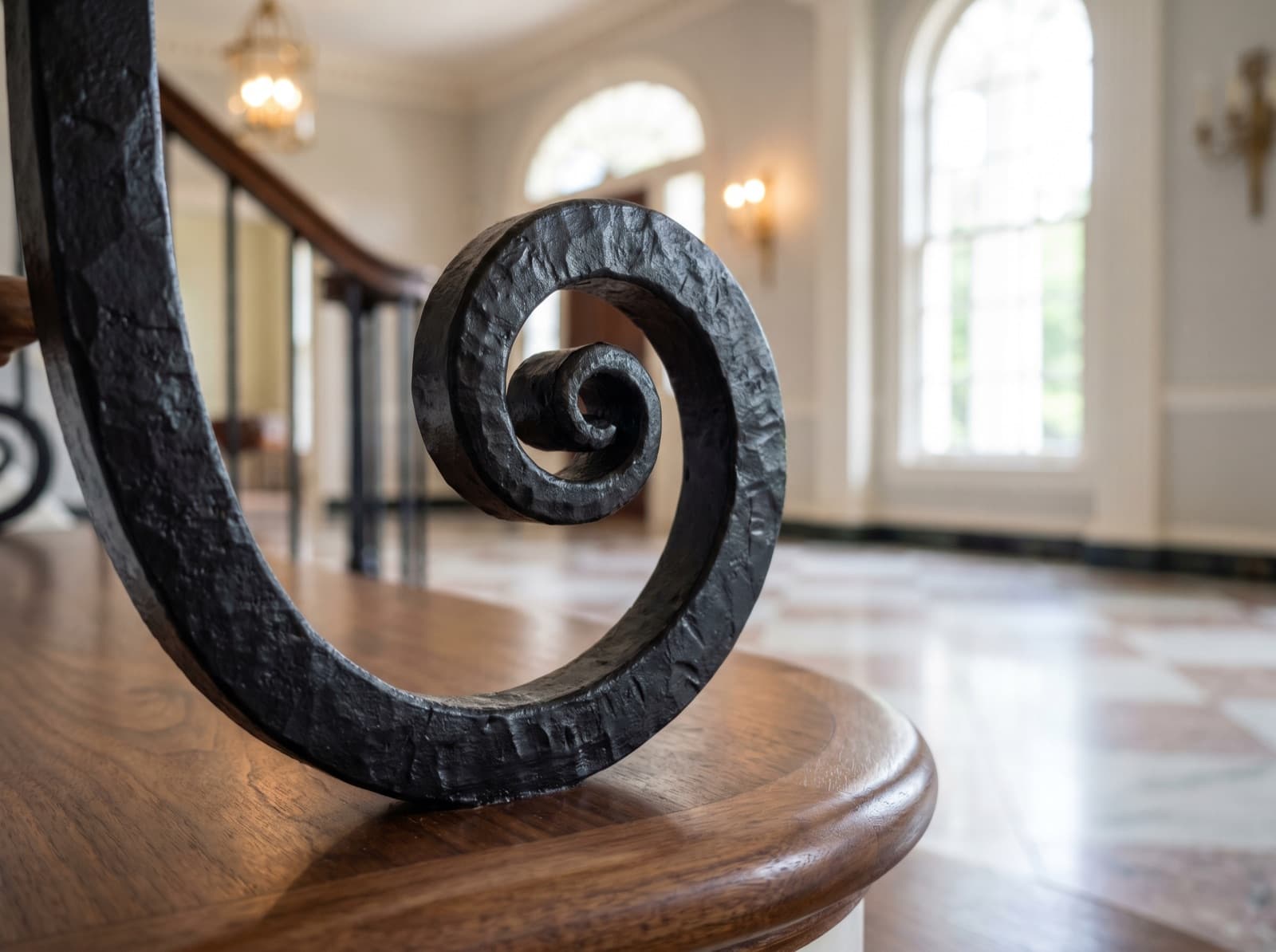
The Colonial profile works best with certain stair shapes and, when iron is in the mix, certain iron patterns. Here are the ones we'd point you to first.
Recommended configurations
How it compares
Wood balusters or iron — which suits the Colonial look?
Most Colonial runs use turned wood spindles, but iron pickets are an option on transitional and mixed runs. Here is how they compare.
Turned wood spindles
- Stays true to the period vocabulary of the style
- Profile + species can match the home's existing trim
- Repaint or re-stain to refresh over time
- Single repeating profile reads warmer and traditional
Iron pickets
- Lower maintenance — satin-black finish, no re-staining
- Slimmer profile opens up the visual line of the run
- Modernizes the read on transitional remodels
- Can alternate with wood spindles in mixed runs
Colonial FAQs
Common questions about the Colonial wood stair style.
Q: Can we paint the Colonial baluster vs. stain it?
Yes. Painted white balusters against a stained handrail is the second-most-requested Colonial look, behind all-stained. We deliver the parts unfinished either way, so your painter or finisher handles the color on site.
Q: Will Colonial work in a smaller foyer?
It can but it can read heavy. For smaller foyers where you want colonial vocabulary without weight, consider the Hampton transitional series — same era of references with lighter visual mass.
Browse every profile we carry.
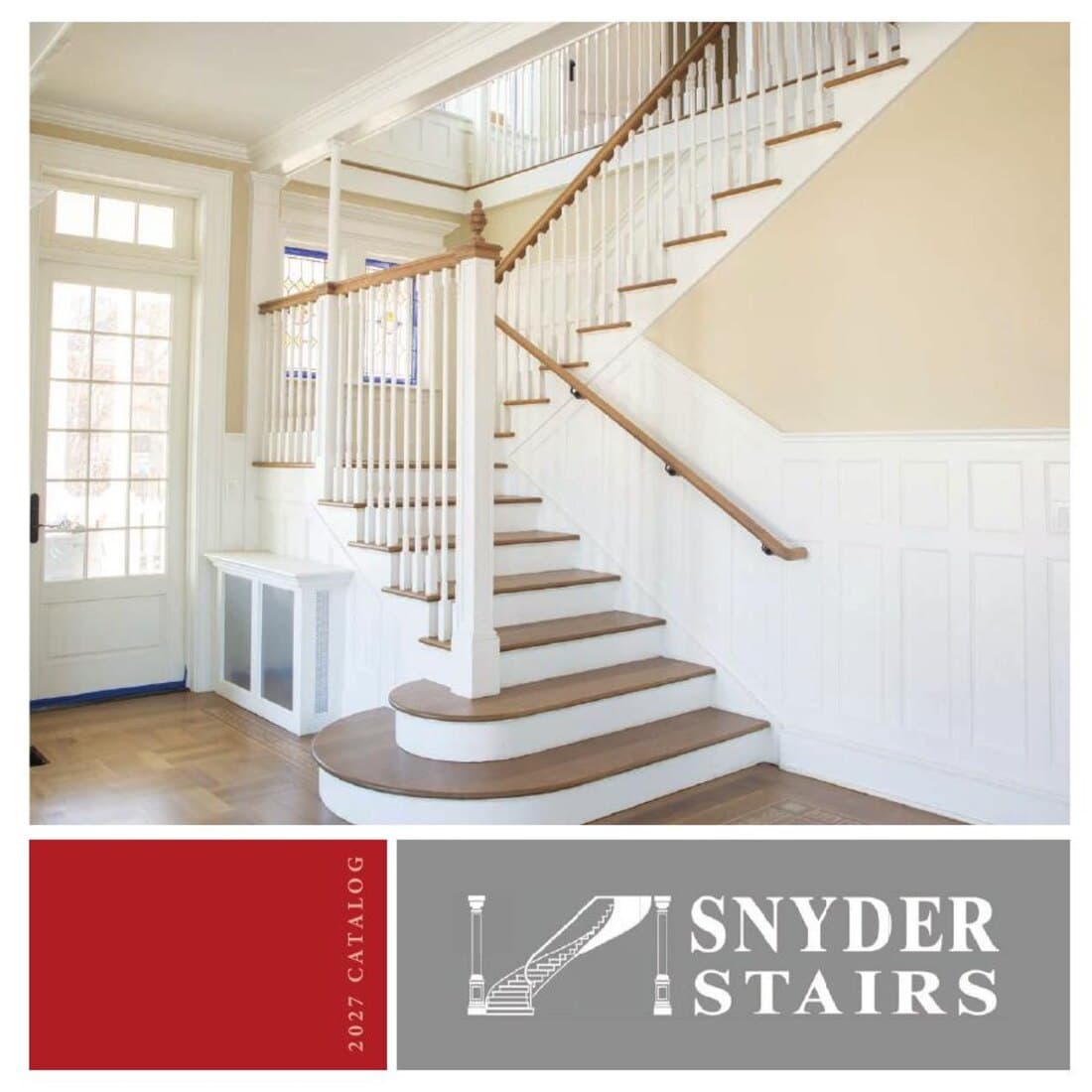
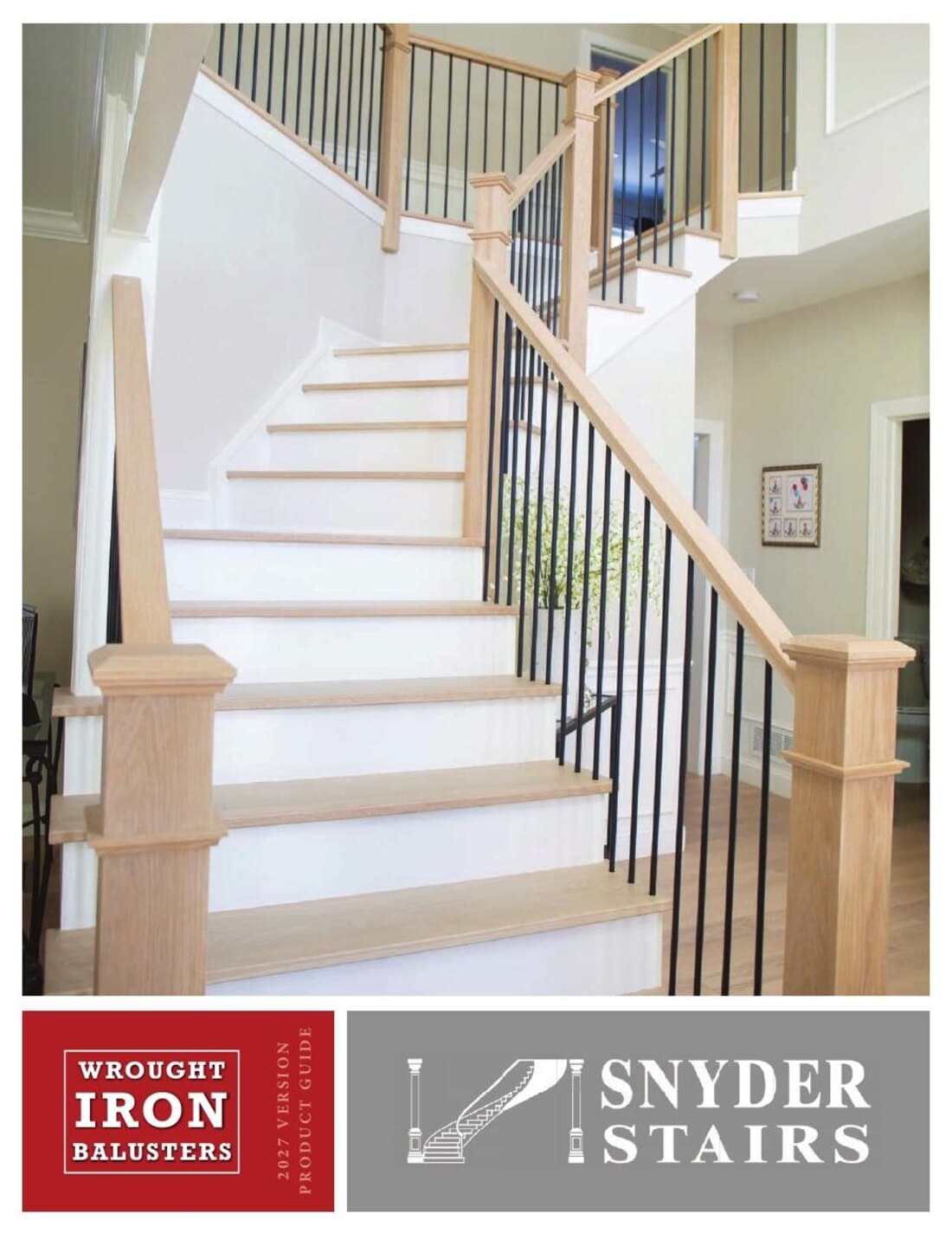
Two full product catalogs — wood and iron. Flip through the whole line, mark what you like, and bring it to your first call.
Ready when you are
Custom stairs and railings, built in Whitehall.
Custom stairs and railings, built by a family of Pennsylvania craftsmen for nearly forty years. We'll give you a realistic budget on the first call — not a teaser, not a pressure-close. Get in touch, or send a few photos.
Budget on the first call · (610) 443-2240 · Whitehall, PA