Period · Federal
The Bunker Hill Wood Stair Style
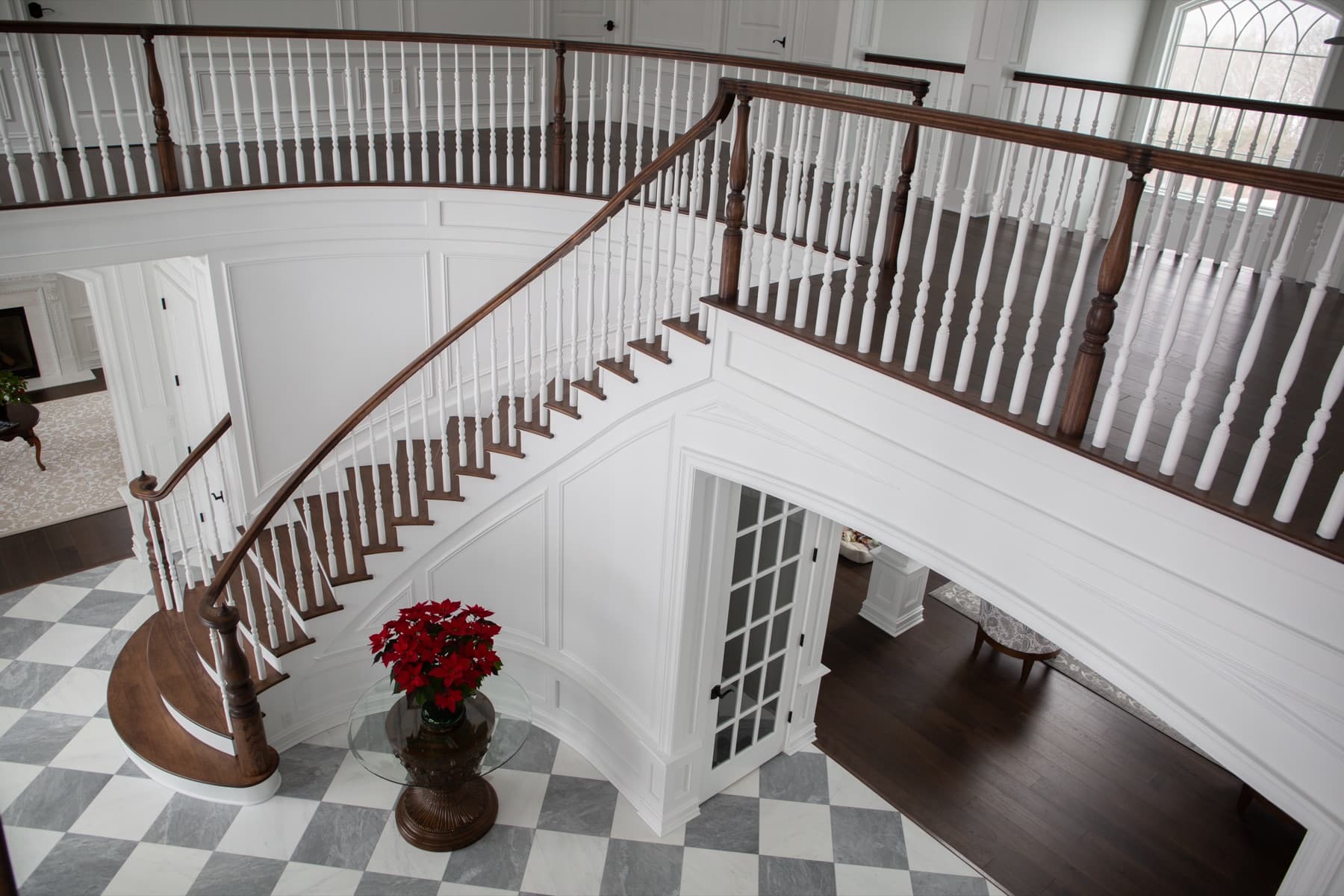
Bunker Hill is our federal-era restoration profile — tall slim turning with a pronounced base ring, walnut or cherry the primary species. Used on period restoration projects across historic districts in the Lehigh Valley and northern NJ, on tudor and federal-era homes. When originals are damaged we source matching period parts or have them made, then fit and finish them so the federal vocabulary stays intact.
Send us a few photos of your staircase and we'll give you a realistic budget range over the phone, before anyone comes out.

- Est. 198739 yrs
- Family-Owned
- Veteran-Owned
- 4.8★ Verified
- Lehigh Valley
Definition
What is a Bunker Hill wood stair?
A Bunker Hill wood stair is a Federal-era restoration staircase with tall, slim turning and a pronounced base ring, built in walnut or cherry rather than oak. When original 1800s balusters are damaged, we source matching period parts or have them made to the surviving profile, then fit and finish them so the Federal proportions stay intact.
Built & reviewed by Snyder Stairs · Whitehall, PA · Est. 1987 · Updated June 2026
Visual character
What makes the Bunker Hill profile distinct.
- Tall slim turning — taller-than-wide overall profile
- Pronounced base ring above the dado block
- Walnut or cherry stain — federal-era species, not oak
- Pairs with a thin, rounded-bottom handrail (not modern flat-top)
When it works
Best fit for the Bunker Hill style.
- Period restoration across the Lehigh Valley's historic districts
- Tudor and federal-era homes in the Lehigh Valley and northern NJ
- Homes where the original 1800s balusters are damaged but the handrail + newels are sound
- Buyers who care about period accuracy — preservation board projects
Pairings that work
Configurations + iron patterns that pair with Bunker Hill.
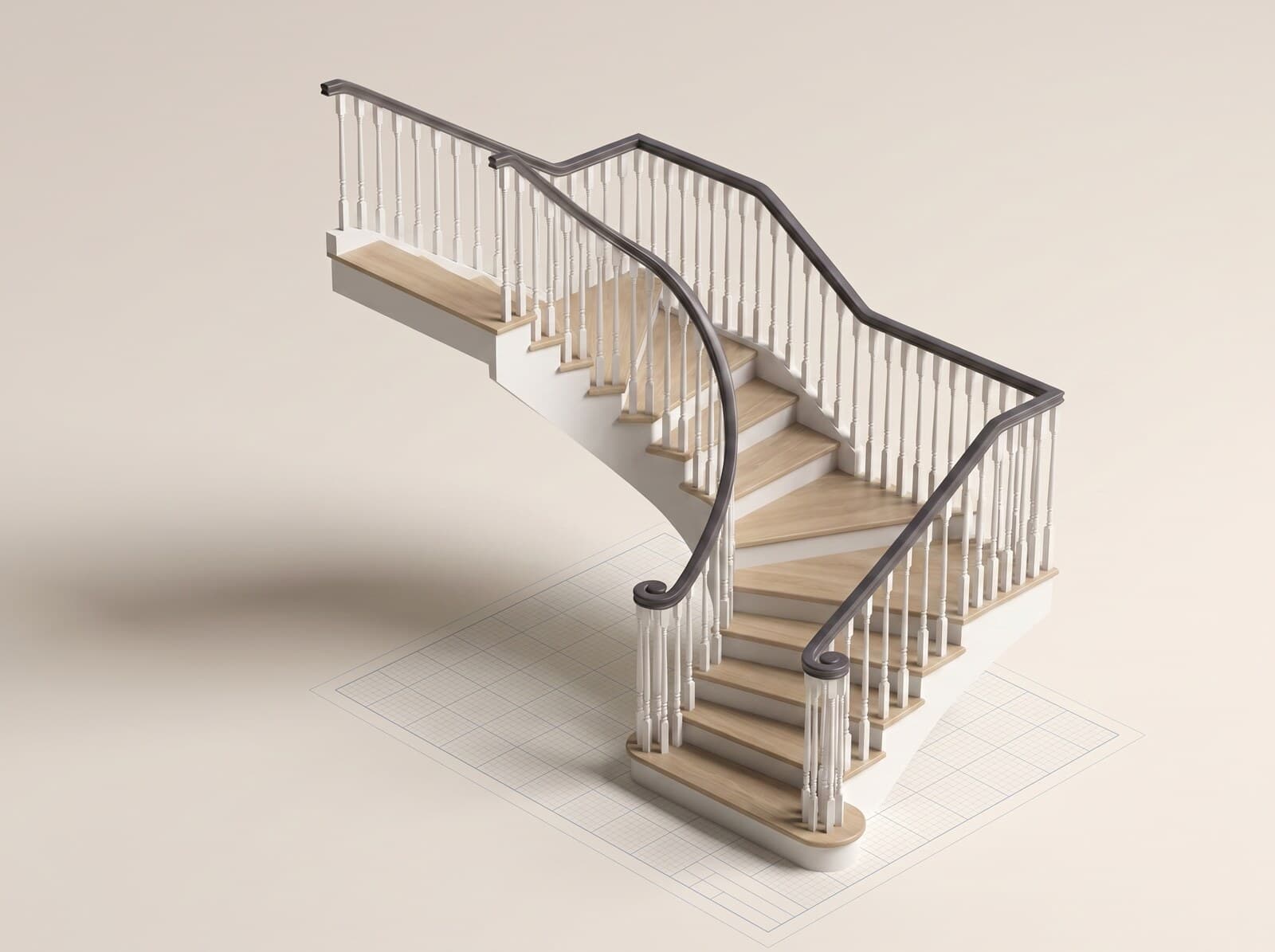
The Bunker Hill profile works best with certain stair shapes and, when iron is in the mix, certain iron patterns. Here are the ones we'd point you to first.
How it compares
Wood balusters or iron — which suits the Bunker Hill look?
Most Bunker Hill runs use turned wood spindles, but iron pickets are an option on transitional and mixed runs. Here is how they compare.
Turned wood spindles
- Stays true to the period vocabulary of the style
- Profile + species can match the home's existing trim
- Repaint or re-stain to refresh over time
- Single repeating profile reads warmer and traditional
Iron pickets
- Lower maintenance — satin-black finish, no re-staining
- Slimmer profile opens up the visual line of the run
- Modernizes the read on transitional remodels
- Can alternate with wood spindles in mixed runs
Bunker Hill FAQs
Common questions about the Bunker Hill wood stair style.
Q: Can you match my home's existing Bunker Hill profile?
Yes. Send us a photo, and we'll measure an existing baluster on the site visit, then source matching period parts or have them made to that profile. We fit them on site, and once finished to match, the new work reads with the original.
Q: Is Bunker Hill appropriate for new construction?
Rarely. The federal-era vocabulary reads strange on a new-build colonial — the proportions look forced. Save Bunker Hill for actual federal-era homes; for new construction in a traditional vocabulary, Colonial or Box Newels work better.
Browse every profile we carry.
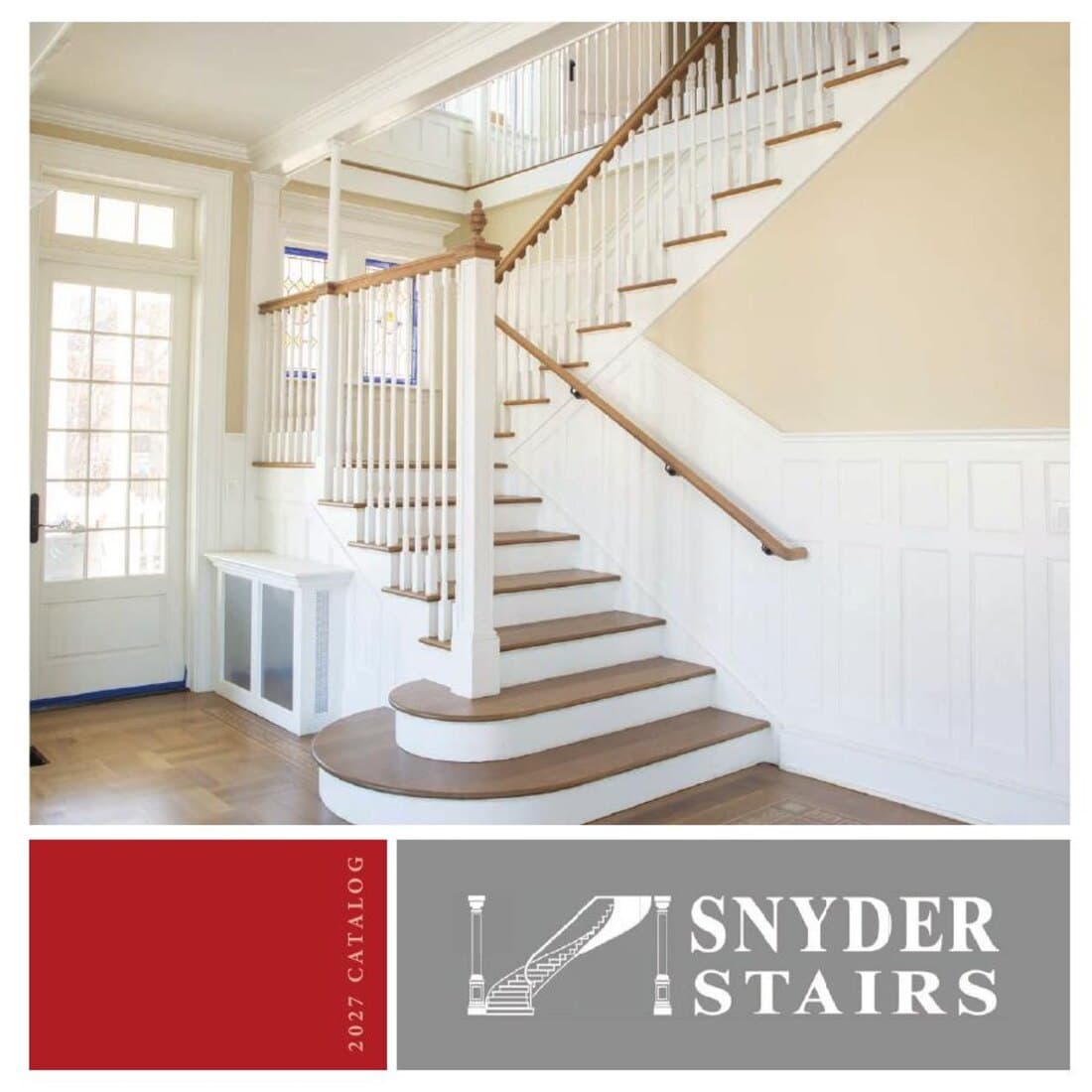
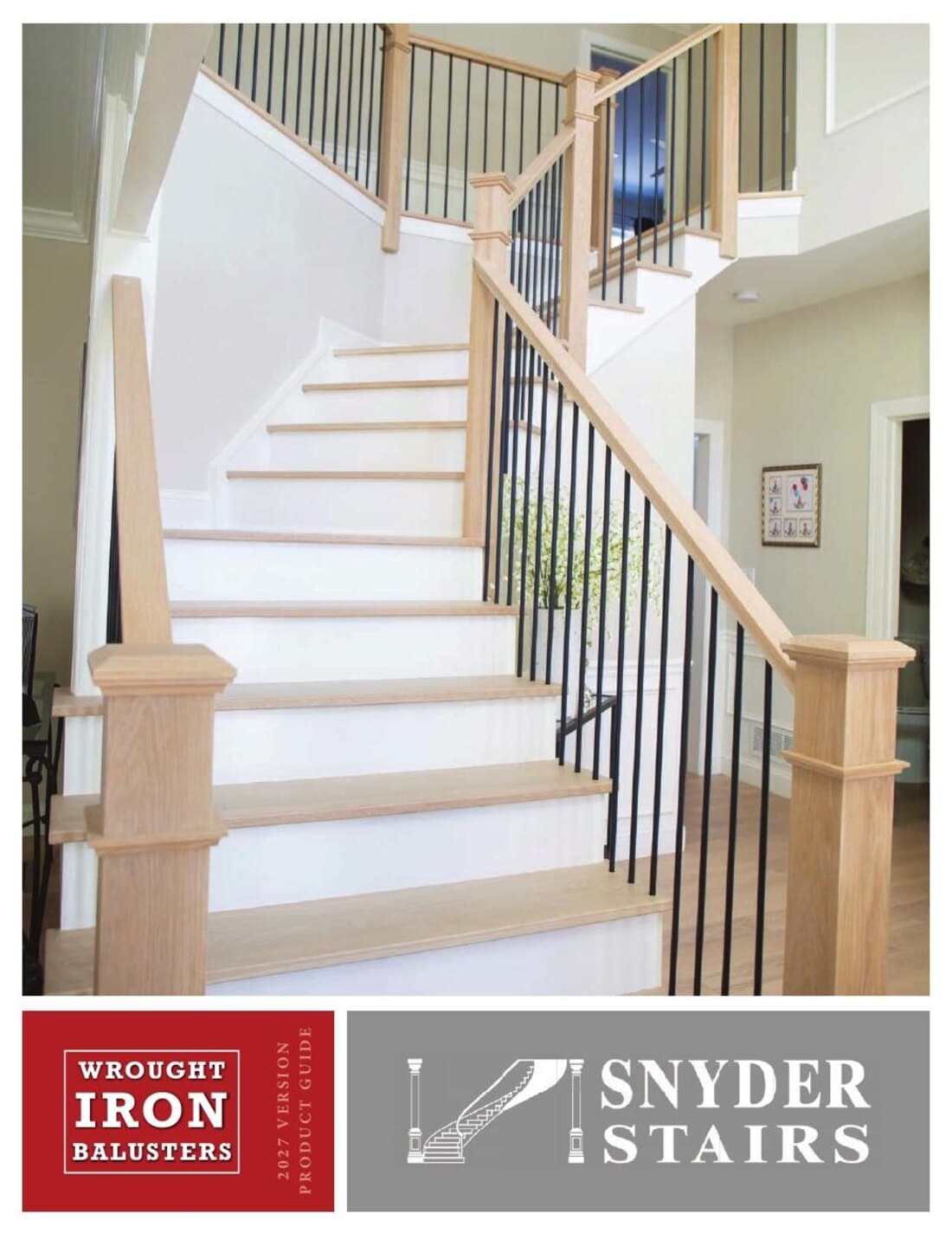
Two full product catalogs — wood and iron. Flip through the whole line, mark what you like, and bring it to your first call.
Ready when you are
Custom stairs and railings, built in Whitehall.
Custom stairs and railings, built by a family of Pennsylvania craftsmen for nearly forty years. We'll give you a realistic budget on the first call — not a teaser, not a pressure-close. Get in touch, or send a few photos.
Budget on the first call · (610) 443-2240 · Whitehall, PA